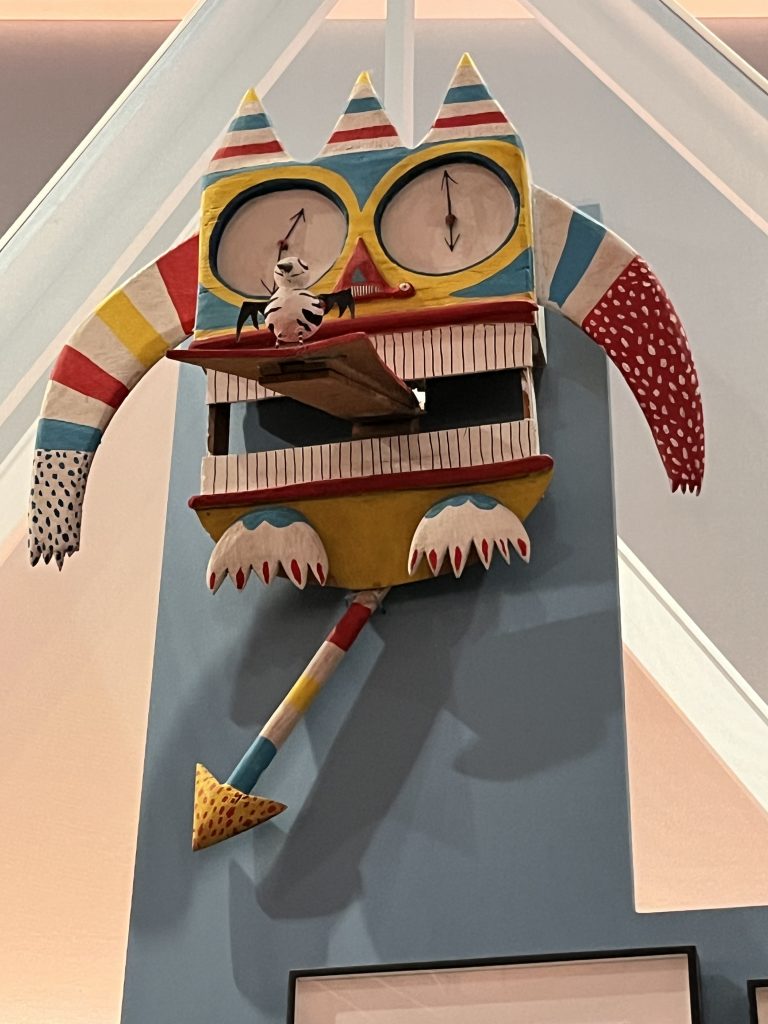
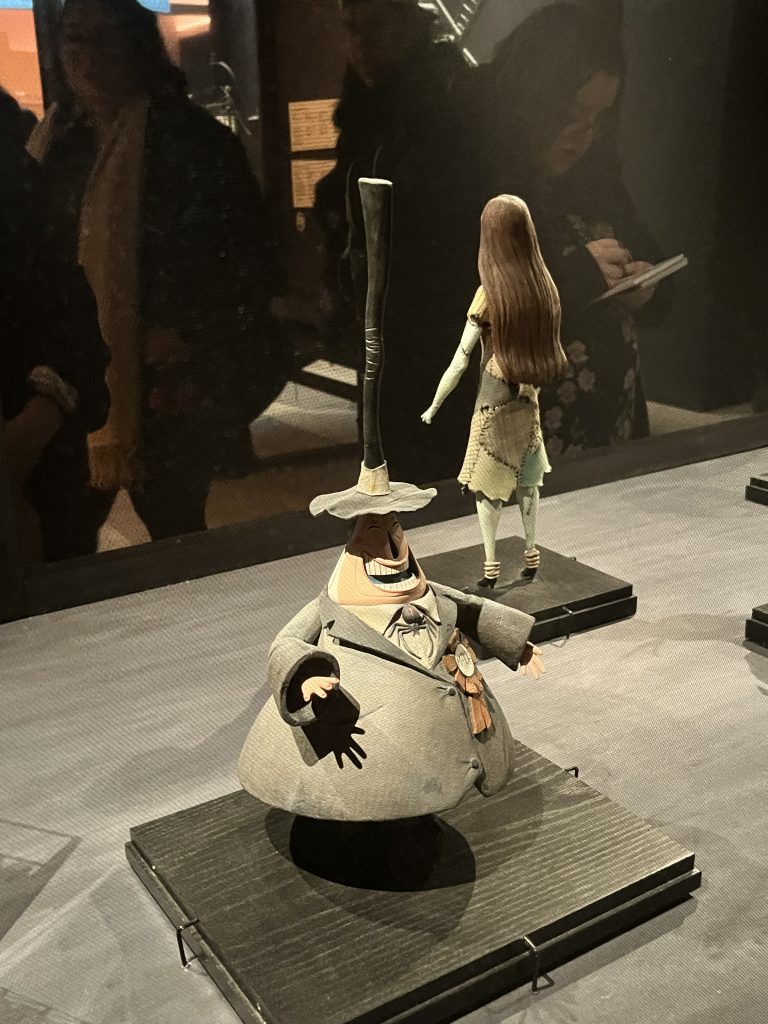
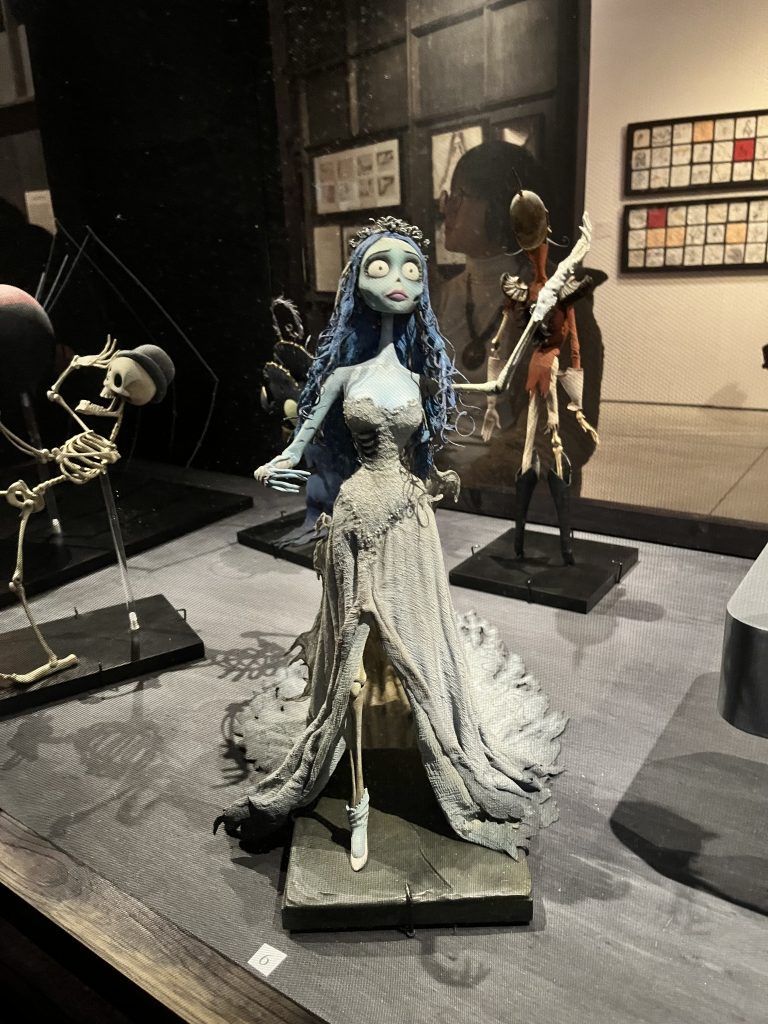
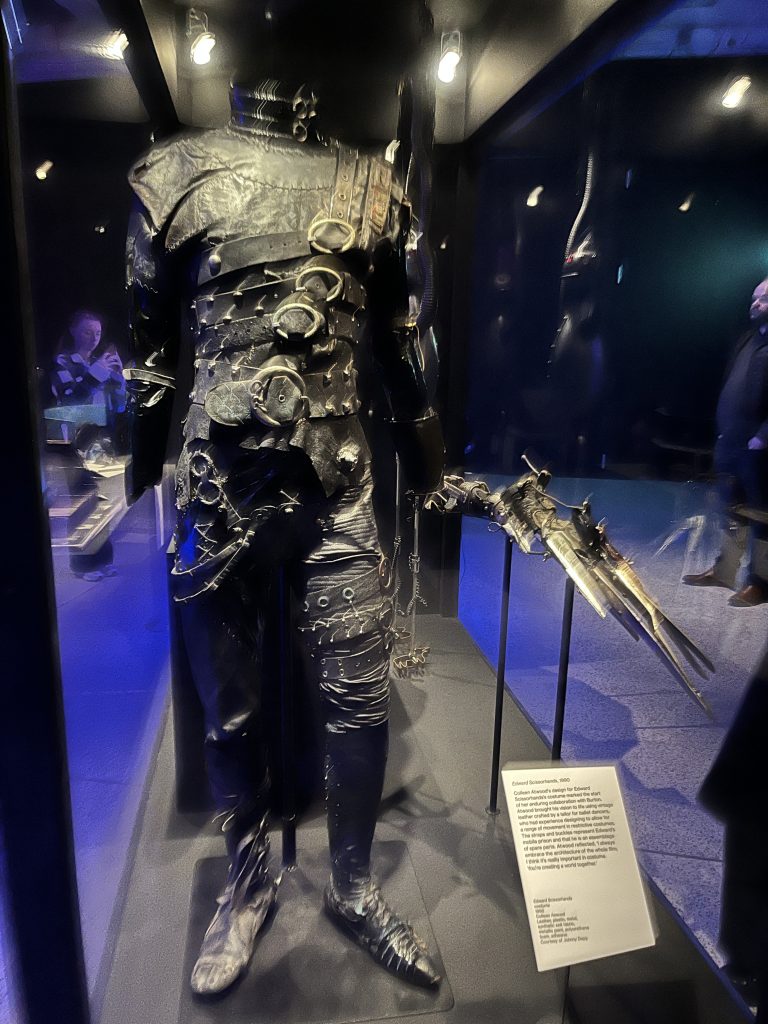
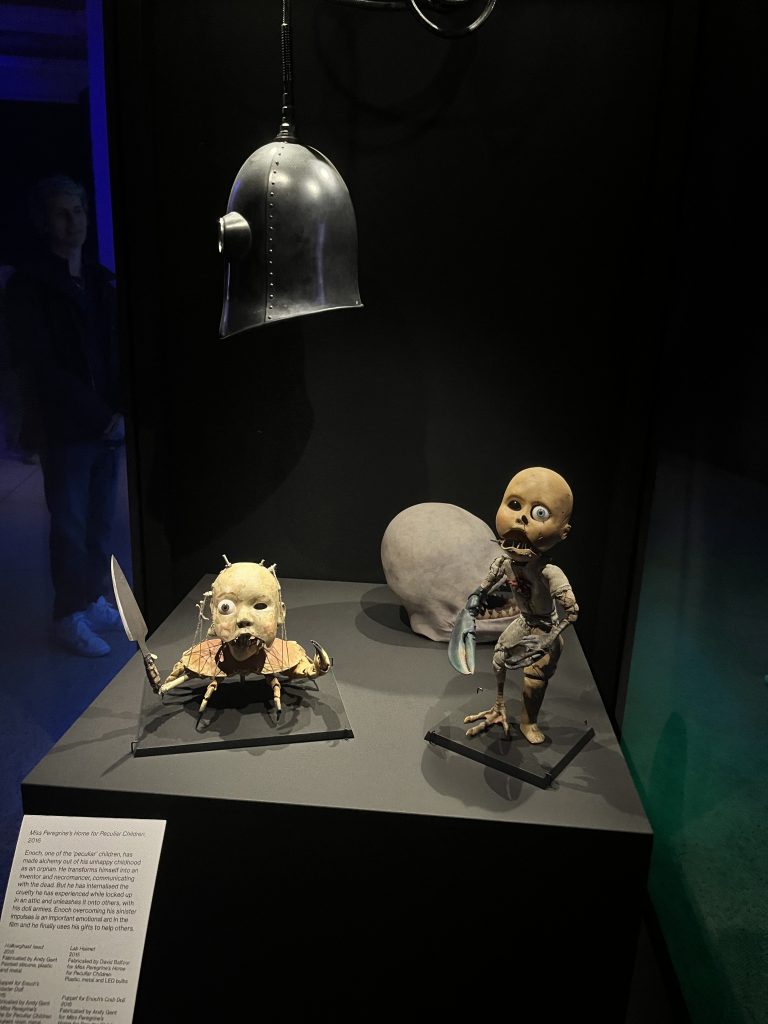
As a stop-motion animator who loves horror and the uncanny, my career dream is strongly connected to the independent scene. I am drawn to animation that is handmade, experimental, and full of raw creativity. For me, the most powerful horror comes from things that are imperfect and tactile, where every detail is shaped by human hands. I don’t want to work in a big studio. I want to work in a space where small teams can explore strange ideas freely and where handcraft is celebrated instead of polished away.
My ideal job is to be an independent horror stop motion filmmaker. I want to focus on set design and directing, because these roles allow me to control textures, materials, and atmosphere. I love films like the 1970s Japanese movie House, which looks low-budget and handmade but creates a very strong mood. I also want to use unusual materials, like wax, goat hair, and paper. Turning drawings into three dimensional puppets and seeing them move is the most exciting part for me, especially when they look creepy or unnatural.
There are certain places that attract me professionally, not because of big companies, but because of their independent communities. For example, Portland (USA) has strong horror film festivals and a DIY culture, and Brighton (UK) has groups of handcraft focused artists and animators. These environments allow small teams to work together while still keeping their own vision. I like the idea of working in a small studio space, even something like a rented office, or a university stop-motion room full of props and materials. That kind of environment supports experimentation, and that is what I want the most.
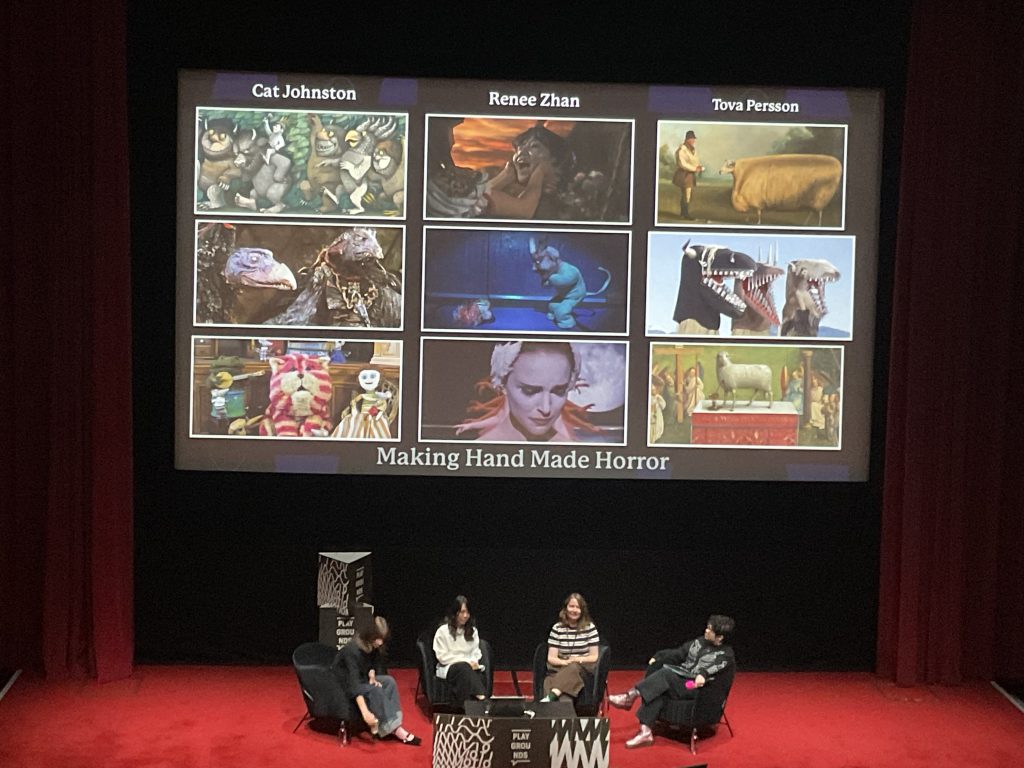
From industry creators, I am learning that professional practice in horror stopmotion is built on three things: craft, collaboration, and storytelling. As an animator, my goal is not just to make puppets move, but to give them strange, uncomfortable motion that fits the horror tone. Robert Morgan’s films show how stop-motion can make movement look “wrong” in a very effective way. As a set designer, I want to create spaces inspired by old paintings, pagan symbols, and handmade textures. Directing is about having a clear vision but staying open to experiments, for example, letting puppeteers add funny or weird movements, or working closely with lighting artists to build atmosphere.
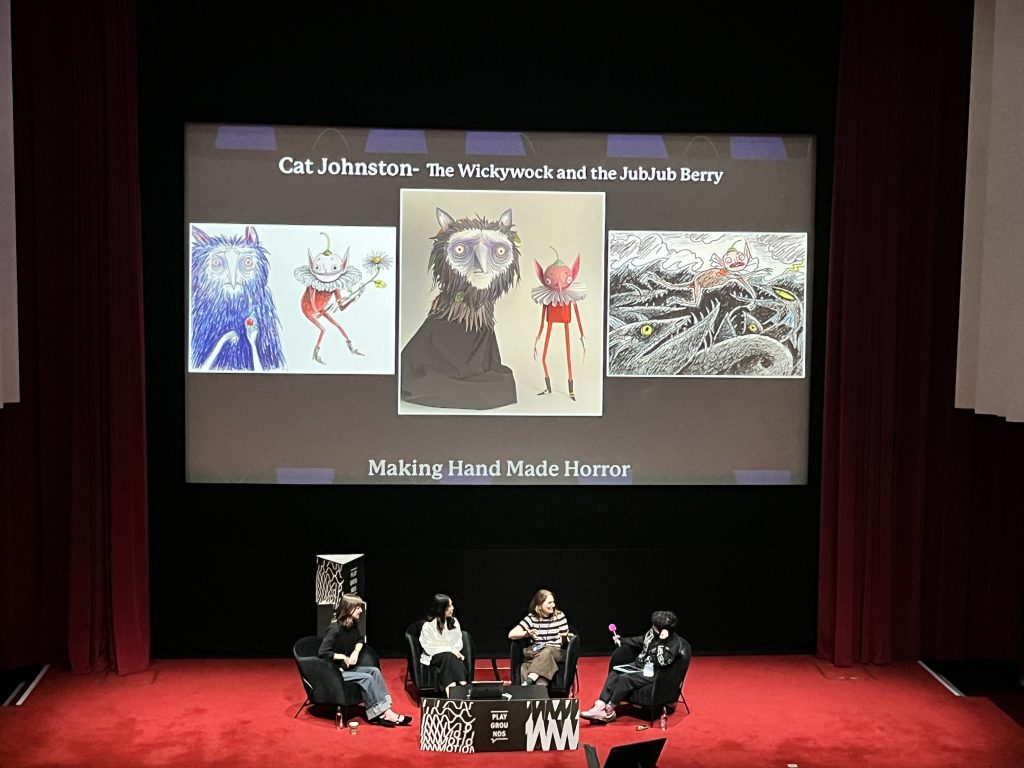
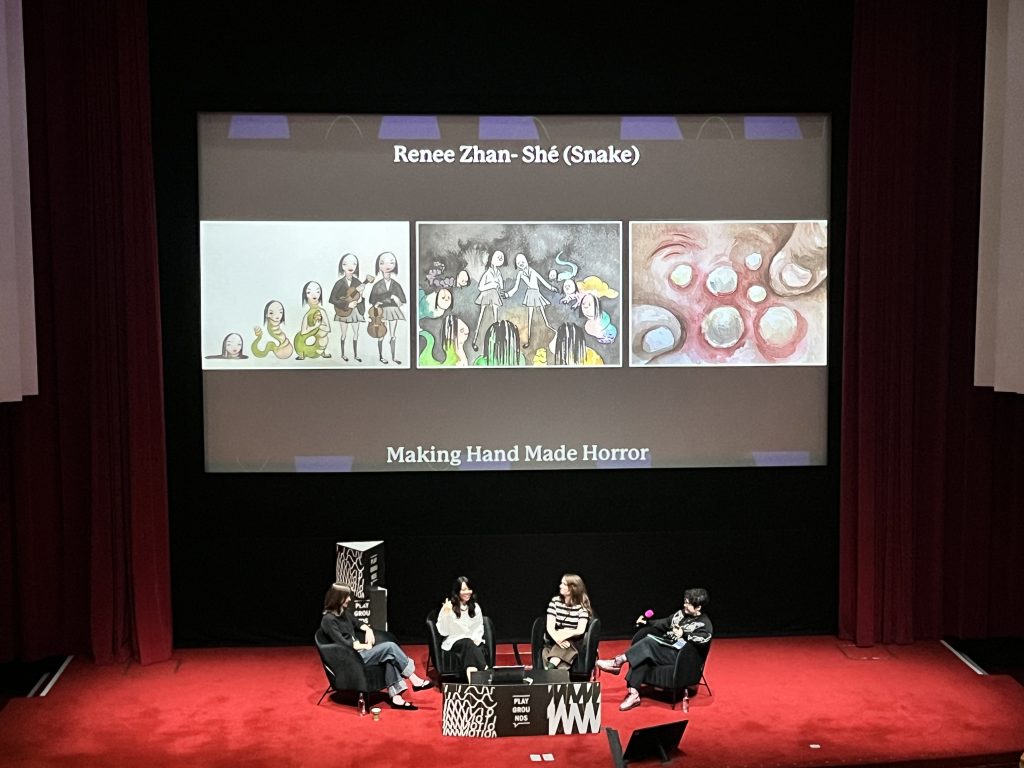
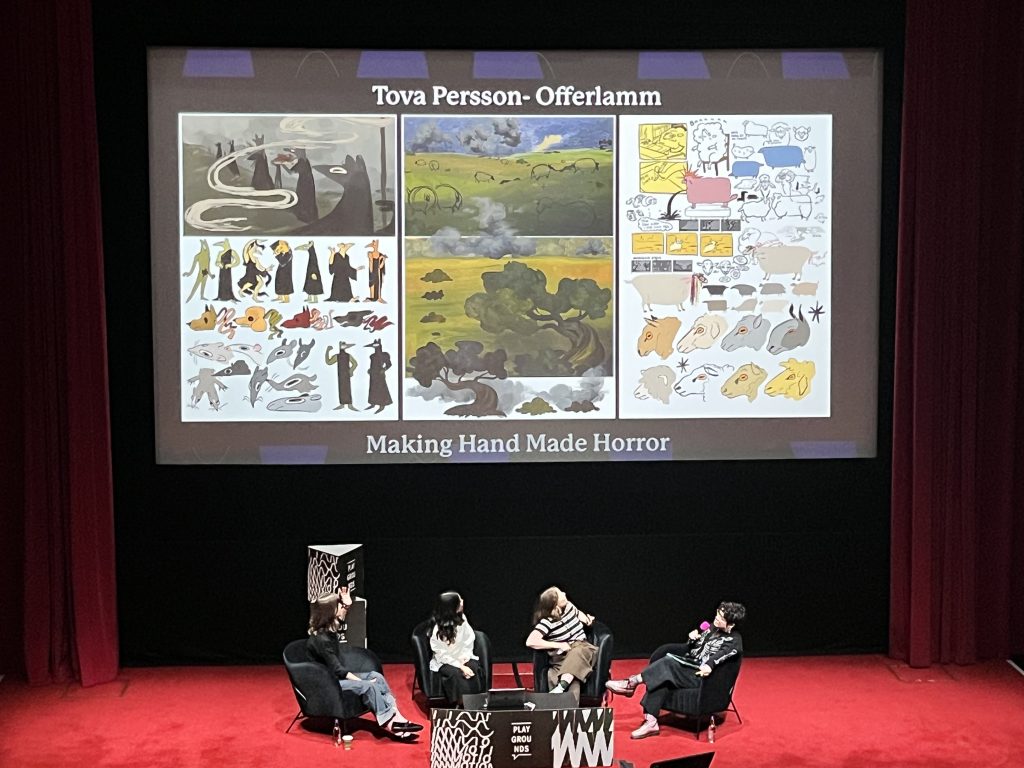
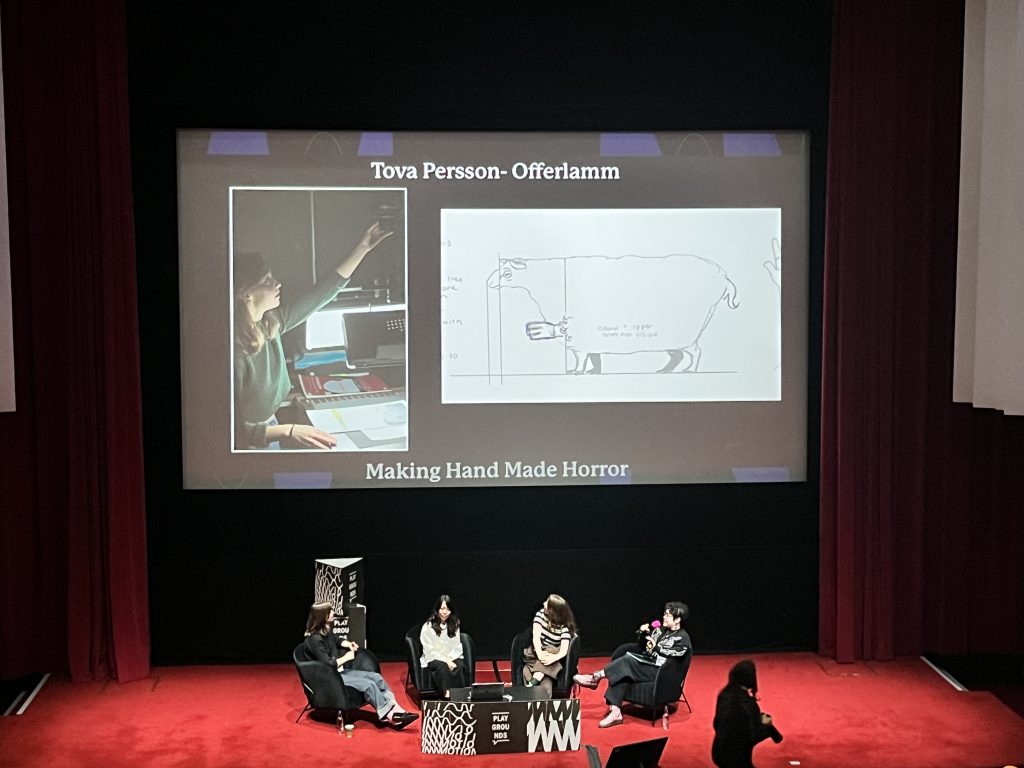
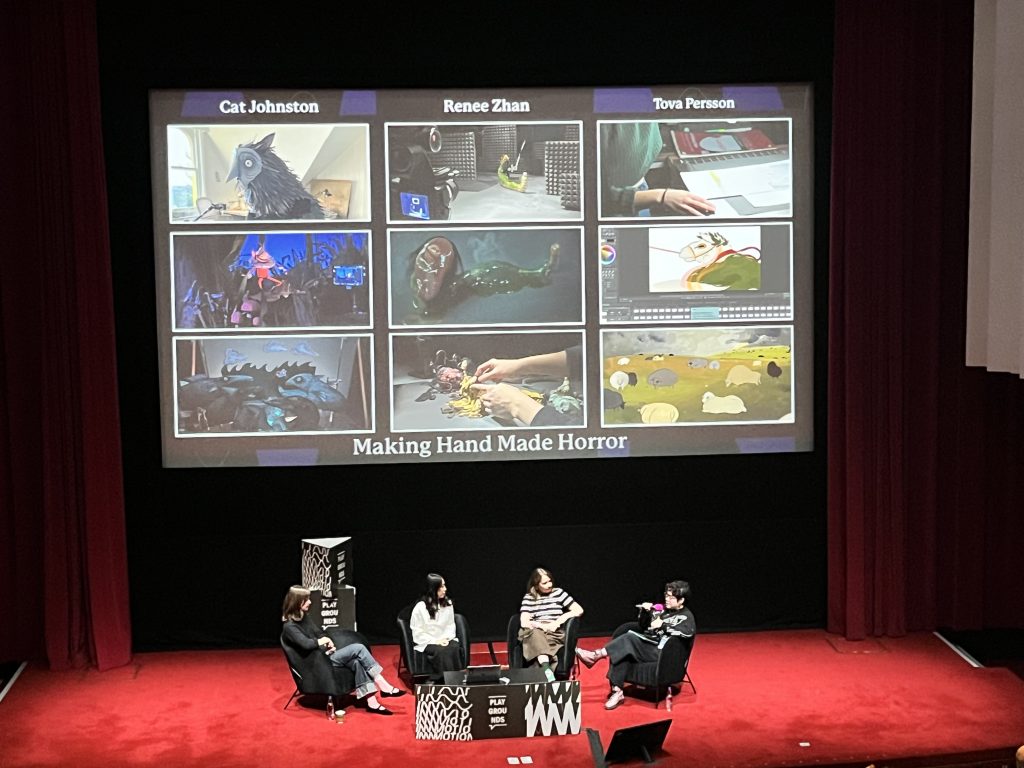
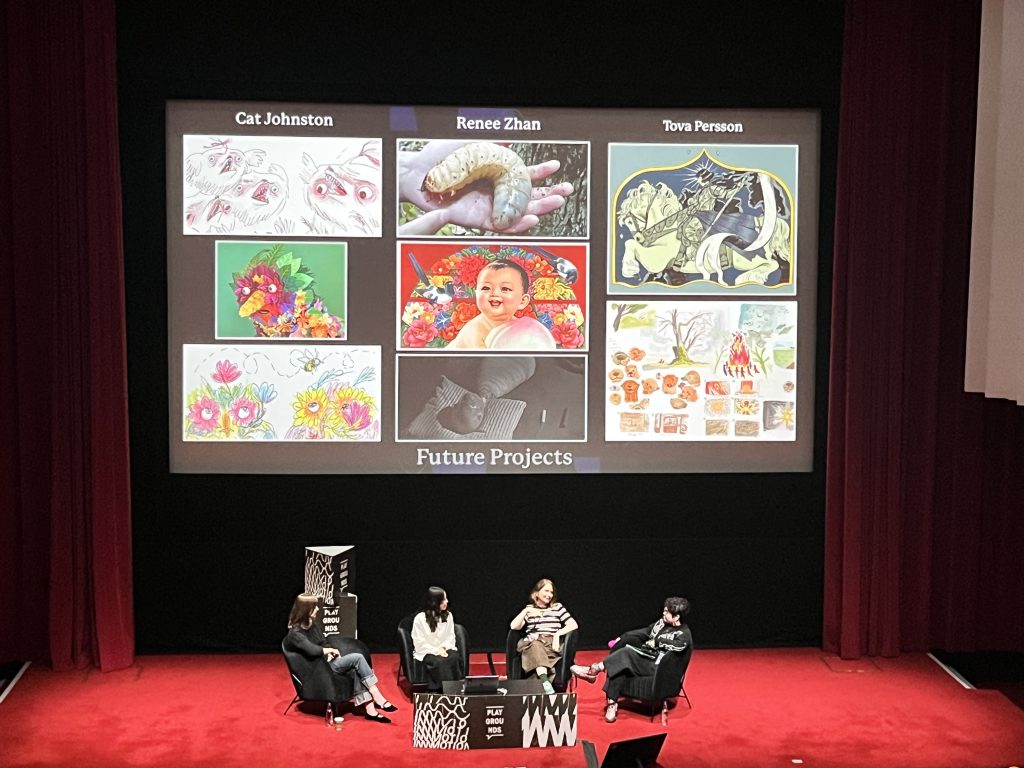
Other creators have also influenced how I think. One said that the flaws of stop motion, like jittery motion or visible textures, can make horror feel more personal and emotional. Another talked about the pleasure of seeing hand drawn sketches turn into real puppets with extra freaky details. Looking at works that mix techniques, such as using 2D painted backgrounds with 3D puppets or combining live action with animation, helped me understand that my practice grows strongest when different methods are fused together.
For me, independent stop motion horror isn’t just a profession. It is a way to turn handcraft into storytelling and to create fear through texture, imperfection, and atmosphere. I hope to join the group of creators who prove that horror doesn’t need a big budget to be powerful, just a strong vision, handmade materials, and the courage to keep things raw.
Leave a Reply