In my previous post, I talked about why I want to focus on becoming an artist whose work exists through exhibitions and festivals.
In this post, I would like to reflect on some of the differences I have noticed between the animation communities in China and the UK.
At the animation festivals I attended in China, it is remarkably easy to make friends and start conversations. I am not saying this is difficult in the UK, but the social structure feels very different. Chinese festival organisers often create WeChat groups where artists, audiences, and organisers can all stay connected. There are usually free group meals after events, which makes it even easier to continue conversations and build relationships.
China’s large population also makes a noticeable difference. Even relatively small festivals can attract huge numbers of visitors, and larger festivals often become extremely crowded. The number of animation enthusiasts attending these events is something I have rarely experienced in Europe. The creator markets are equally impressive. Thousands of people visit, browse, and buy artwork, making it possible for independent artists to earn a little extra income through merchandise and prints.
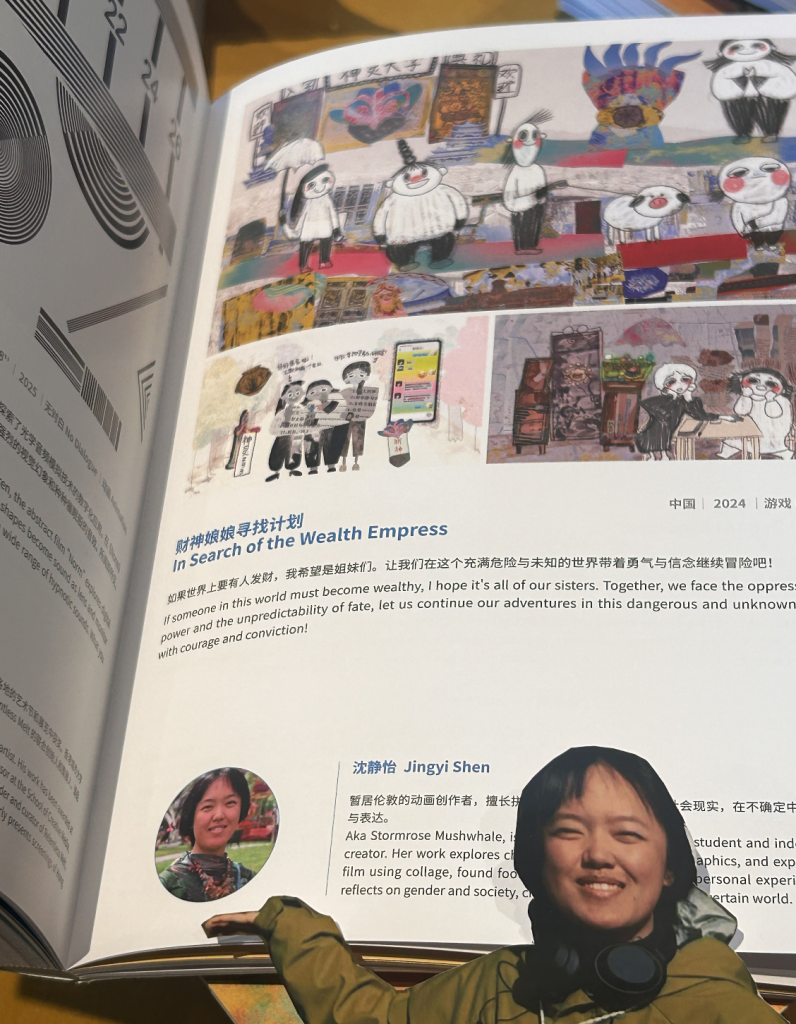
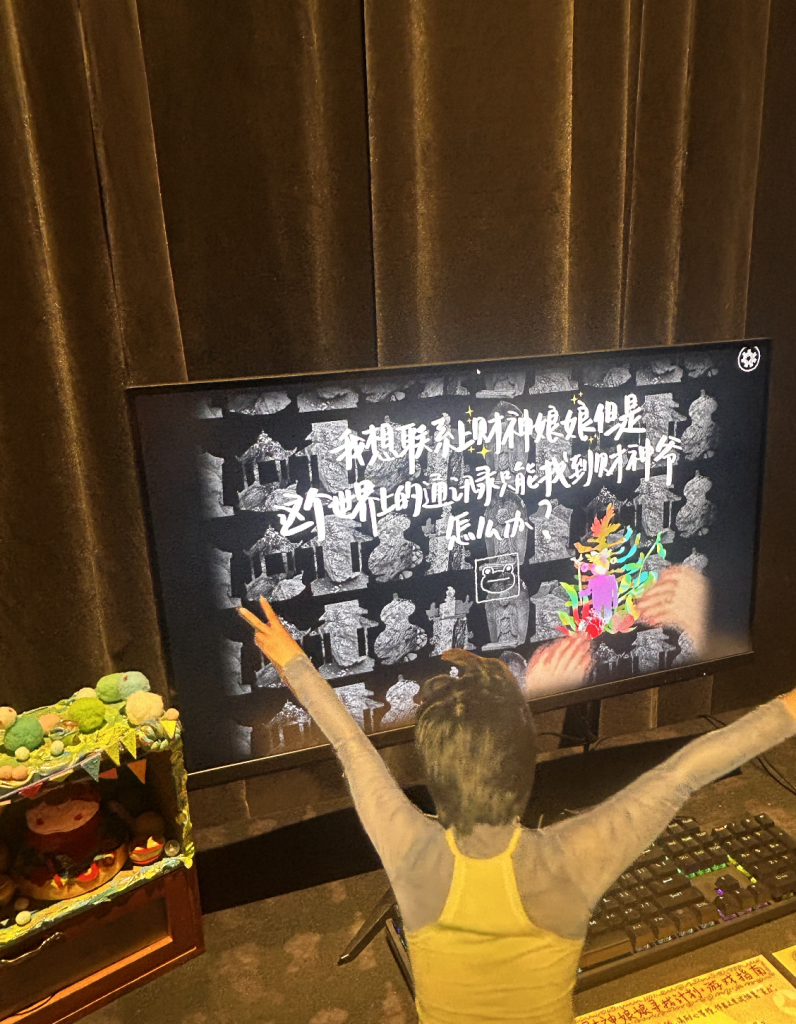
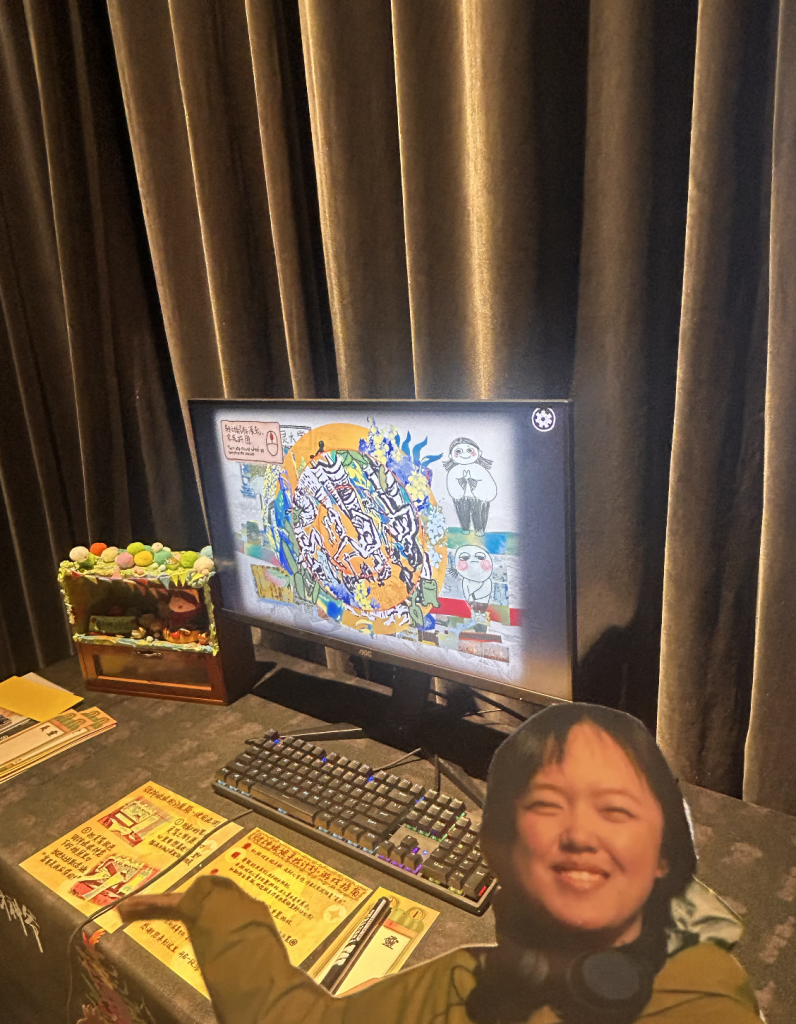
In comparison, animation festivals in the UK tend to feel much smaller. There are fewer large-scale markets and less emphasis on commercial activity. People often exchange Instagram accounts or email addresses, but rarely share more personal contact information. Of course, this may also be because I am still an outsider and have not fully entered local social circles.
The community here feels more private and more reserved. However, there are advantages to this as well. Many of the people attending UK animation festivals are industry professionals. Compared with the audience-focused environment I often experienced in China, these events create more opportunities for conversations between creators, producers, commissioners, and practitioners.
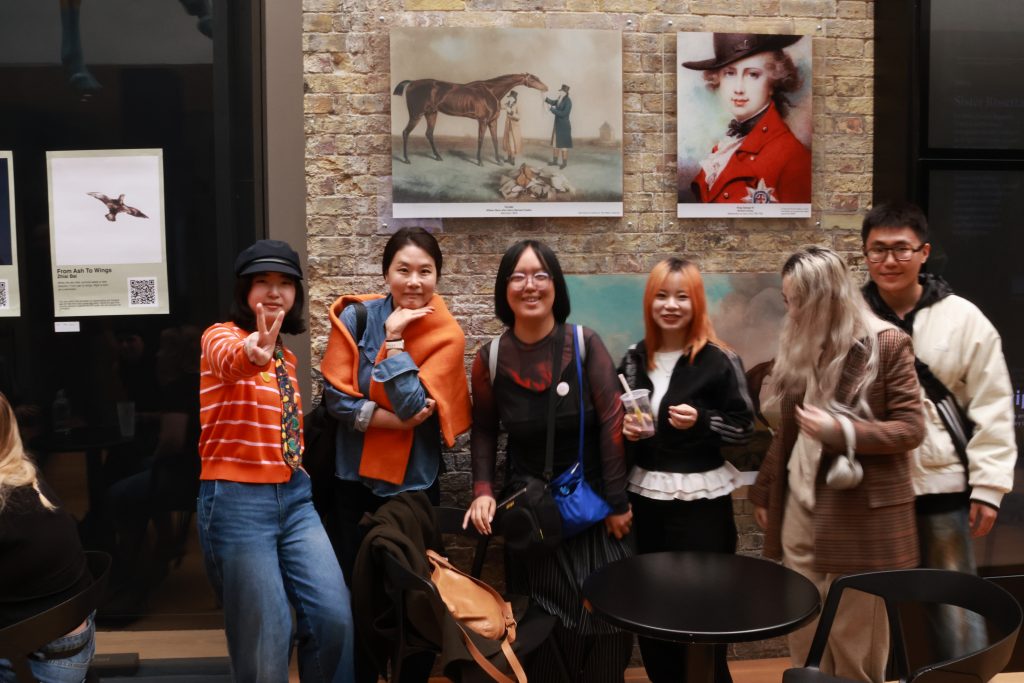
I have also noticed differences in the kinds of work that receive attention.
At festivals in China, audiences often respond strongly to projects that use unusual media or tell stories that feel completely new. Innovation itself can attract a great deal of interest. In the UK, I have found that organisers often place greater emphasis on how animation engages with human experience and emotional connection. The work does not necessarily need to use a new technology or format; what matters is whether it can move people, challenge them, or encourage reflection.
Neither approach is better than the other. Each has its own strengths and limitations, and experiencing both environments has taught me a great deal about how animation can function across different cultural contexts.
As I think about my future practice, I have developed a few personal principles:
- Tell stories that touch people emotionally.
- Continue experimenting with new media and new ways of storytelling.
- Explore how animation can exist beyond traditional screens and in different fields.
- Make more cute merchandise, because it is nice when people actually buy it.
- Talk to more people in the industry, and let them know that I am someone who genuinely loves animation and loves making things.
These are simple goals, but they are the direction I hope to follow as I continue developing my practice.
Leave a Reply